
Price to install siding per square sets the stage for this enthralling narrative, offering readers a glimpse into a story that is rich in detail with casual formal language style and brimming with originality from the outset.
When it comes to siding installation costs, understanding the factors at play can make a significant difference in your budget. From material choices to labor expenses, each component plays a crucial role in determining the final price per square foot.
Let's delve into the intricacies of pricing and installation to shed light on this essential aspect of home improvement.
Factors Affecting Siding Installation Cost
When it comes to the cost of siding installation, various factors can influence the final price. Understanding these factors can help homeowners make informed decisions regarding their siding project.
Types of Siding Materials and Costs
Different types of siding materials come with varying costs per square foot. Here are some common options and their associated costs:
- Vinyl Siding: Typically ranges from $3 to $7 per square foot.
- Fiber Cement Siding: Prices usually fall between $5 to $12 per square foot.
- Wood Siding: Can cost between $6 to $15 per square foot, depending on the type of wood.
- Aluminum Siding: Prices generally start at $5 per square foot and can go up from there.
Size and Layout of the House Impact
The size and layout of the house play a significant role in determining the total cost of siding installation. Larger homes will require more materials and labor, leading to higher overall costs. Additionally, houses with complex layouts or multiple stories may require more time and effort to complete the installation, further impacting the final price.
Additional Features Influence Cost
In addition to the siding material and house size, several additional features can influence the overall price of installation. Factors such as insulation, trim work, and labor costs can all add to the total expense. Opting for added insulation or intricate trim details can increase the cost, while labor costs will vary depending on the complexity of the installation process and the expertise of the contractors involved.
Average Costs for Siding Installation
Installing siding can significantly improve the appearance and value of your home. The cost of siding installation varies depending on the material used, the size of the project, and labor costs. Here, we will break down the average price range per square foot for siding installation and compare the costs between popular siding materials.
Vinyl Siding
On average, vinyl siding installation costs between $3 to $7 per square foot. For a 1,500 square foot home, the total cost can range from $4,500 to $10,500.
Wood Siding
Wood siding is more expensive, with installation costs ranging from $6 to $12 per square foot. For the same 1,500 square foot home, the total cost can vary from $9,000 to $18,000.
Fiber Cement Siding
Fiber cement siding installation typically costs between $5 to $12 per square foot. Therefore, for a 1,500 square foot home, the total cost can be anywhere from $7,500 to $18,000.
Metal Siding
Metal siding installation is on the higher end, with costs ranging from $8 to $16 per square foot. For a 1,500 square foot home, the total cost can vary from $12,000 to $24,000.
Cost Factors to Consider
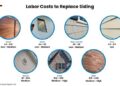
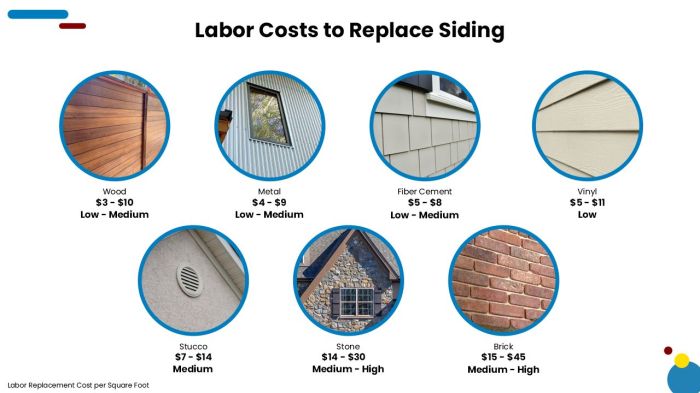
Labor Costs:Labor costs play a significant role in determining the overall price of siding installation. Skilled labor is required to properly install siding, which may result in higher costs. Factors such as experience, expertise, and efficiency of the workers can impact the labor costs involved in the project.Location and Regional Pricing Differences:The location of the property and regional pricing differences can also affect the cost of siding installation.
Areas with higher costs of living or where materials need to be transported over long distances may incur higher installation costs. Regional labor rates and market competition can also influence pricing variations.Additional Costs:In addition to labor and materials, there are other expenses to consider when budgeting for siding installation.
These may include permits required by local authorities, disposal fees for old siding materials, and unforeseen repairs that may be needed during the installation process. It is important to factor in these additional costs to avoid budget overruns and delays in the project timeline
Importance of Labor Costs
Labor costs are a significant factor in determining the overall price of siding installation. Skilled labor is essential for a successful installation process, and the expertise and efficiency of the workers can impact the cost of the project. It is crucial to hire experienced professionals who can deliver high-quality work within the budget.
Impact of Location and Regional Pricing Differences
The location of the property and regional pricing differences can have a notable impact on siding installation costs. Areas with higher costs of living or where materials need to be transported over long distances may result in higher overall costs.
Understanding the regional pricing trends and labor rates can help in budgeting effectively for the project.
Additional Costs to Consider
Apart from labor and materials, there are various additional costs that may arise during siding installation. These can include permit fees, disposal costs for old materials, and unexpected repairs that may be needed. It is essential to account for these extra expenses in the budget to ensure a smooth and successful installation process.
Tips for Cost-Effective Siding Installation
When it comes to siding installation, there are several strategies you can implement to reduce costs without sacrificing quality. Investing in higher-priced siding materials may be beneficial in certain situations, and the long-term cost savings associated with quality installation can outweigh the initial investment.
Choose the Right Siding Material
- Consider the durability and maintenance requirements of different siding materials before making a decision.
- Higher-priced materials like fiber cement or engineered wood may have lower maintenance costs in the long run.
- Calculate the total cost of ownership, including maintenance, repairs, and replacement, to make an informed choice.
DIY vs. Professional Installation
- While a DIY approach may seem cost-effective, hiring professionals can ensure proper installation and prevent costly mistakes.
- Professional installers may have access to discounts on materials, reducing overall costs.
- Consider the complexity of the project and your own skill level before deciding on DIY or professional installation.
Timing and Negotiation
- Plan your siding installation during the off-season when contractors may offer lower prices to fill their schedules.
- Get quotes from multiple contractors and negotiate for the best price while ensuring quality workmanship.
- Ask about discounts for bundling services or referrals to further reduce costs.
Final Conclusion
As we conclude our exploration of the price to install siding per square, it becomes evident that this process is not merely about numbers but a blend of artistry, functionality, and financial considerations. By grasping the key factors influencing costs, homeowners can make informed decisions and embark on their siding projects with confidence.
Quick FAQs
What are the different types of siding materials and their associated costs?
Answer: Siding materials such as vinyl, wood, fiber cement, and metal each come with varying costs per square foot, depending on their quality and durability.
How do labor costs impact the overall price of siding installation?
Answer: Labor costs play a significant role in the total price, as skilled labor is essential for proper installation and can affect the project's timeline.
Are there any additional costs besides materials and labor to consider?
Answer: Yes, factors like permits, disposal fees, and unexpected repairs can contribute to the overall expenses of siding installation.