
As asbestos house siding takes center stage, this opening passage beckons readers into a world crafted with good knowledge, ensuring a reading experience that is both absorbing and distinctly original.
Asbestos house siding has a long history intertwined with construction practices, posing unique challenges and considerations for homeowners. Let's dive into the intricacies of this topic to shed light on its importance.
Introduction to Asbestos House Siding
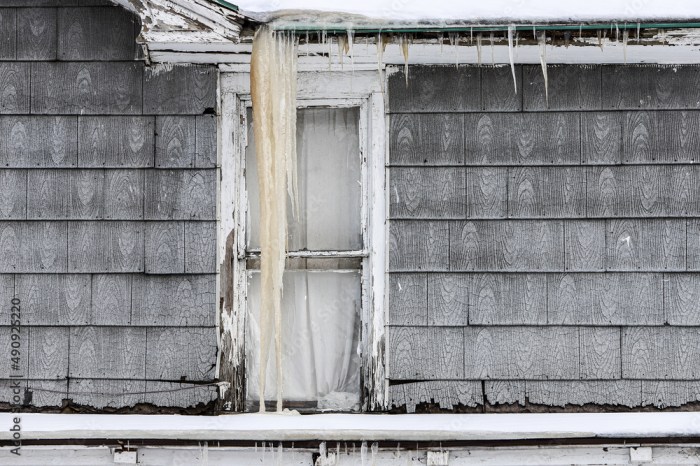
Asbestos house siding refers to exterior cladding made from asbestos fibers, a mineral known for its heat resistance and durability. It was a popular choice for house siding due to its fire-resistant properties and affordability.
The history of asbestos in construction dates back to the late 19th century when it was widely used in various building materials. Asbestos gained popularity for its heat resistance and strength, making it a desirable component in construction projects.
Why Asbestos was Used in House Siding
- Asbestos offered excellent fire resistance, making it a safe choice for house siding.
- It was cost-effective compared to other materials, making it a popular option for homeowners.
- Asbestos siding was durable and required minimal maintenance, ensuring longevity for the exterior of the house.
- The material was readily available and easy to install, further contributing to its widespread use in construction.
Identifying Asbestos Siding
When it comes to identifying asbestos siding, there are a few key characteristics to look out for. Asbestos siding was commonly used in homes built before the 1980s, so if your house falls into that category, it's important to be aware of the signs of asbestos siding.
Characteristics of Asbestos Siding
- Asbestos siding is typically flat and smooth with a matte finish.
- It may have a slightly chalky texture and can be found in various colors, including white, gray, and brown.
- Asbestos siding is known for its durability and fire-resistant properties.
Common Locations of Asbestos Siding on a House
- Exterior walls: Asbestos siding was commonly used as an exterior cladding material.
- Soffits and eaves: Asbestos siding can also be found on soffits and eaves of a house.
- Chimneys: Asbestos siding was sometimes used to cover chimneys for insulation purposes.
Health Risks Associated with Asbestos Siding
Asbestos exposure poses serious health risks to individuals who come into contact with it. Asbestos fibers are known to cause lung cancer, mesothelioma, and asbestosis, among other respiratory diseases. These health conditions can develop over time, even with minimal exposure to asbestos.Asbestos siding can pose a danger to homeowners during renovation or repair projects.
When asbestos-containing siding is disturbed, such as during drilling, cutting, or sanding, it releases harmful fibers into the air. Inhalation of these fibers can lead to the aforementioned health conditions, especially if proper safety measures are not taken.It is crucial to handle asbestos siding with care to minimize the risk of exposure.
Homeowners should always assume that older siding materials contain asbestos unless proven otherwise through testing. If asbestos siding needs to be removed or repaired, it is essential to hire professionals who are trained in asbestos abatement to ensure safe handling and disposal of the material.
Removal and Disposal of Asbestos Siding
When it comes to the removal and disposal of asbestos siding, it is crucial to follow specific steps to ensure safety and compliance with regulations.
Steps for Safely Removing Asbestos Siding
- First, secure the work area by restricting access to only authorized personnel.
- Wet the siding using a gentle mist to minimize the release of asbestos fibers into the air.
- Carefully remove the siding in whole sheets to prevent breakage.
- Double-bag the removed siding in thick plastic bags labeled for asbestos disposal.
- Clean the work area thoroughly using wet methods to avoid stirring up any remaining asbestos fibers.
Regulations and Guidelines for Asbestos Removal
- Asbestos removal must be carried out by trained and licensed professionals to ensure proper handling.
- Local authorities may have specific regulations regarding asbestos removal, so it is essential to check and comply with these guidelines.
- Personal protective equipment must be worn during the removal process to prevent exposure to asbestos fibers.
Proper Disposal Methods for Asbestos Siding
- Asbestos siding should be transported to designated hazardous waste disposal sites for proper disposal.
- Do not dispose of asbestos siding in regular trash or recycling bins, as this can pose a risk to sanitation workers and the environment.
- Follow all local and federal regulations for asbestos disposal to avoid fines or penalties.
Alternatives to Asbestos Siding
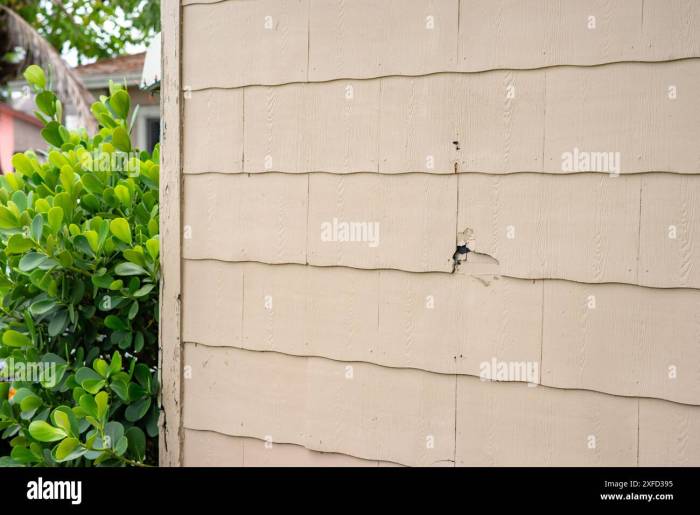
When it comes to replacing asbestos siding, there are several modern siding materials available that can serve as safe alternatives. These options not only eliminate the health risks associated with asbestos but also offer various benefits and considerations for environmentally friendly choices.
Vinyl Siding
Vinyl siding is a popular choice for homeowners looking to replace asbestos siding. It is durable, low maintenance, and comes in a wide range of colors and styles. Vinyl siding is also cost-effective and easy to install, making it a practical alternative.
Fiber Cement Siding
Fiber cement siding is another excellent alternative known for its durability and resistance to fire, insects, and rot. This type of siding can mimic the look of wood or masonry while requiring minimal maintenance. Fiber cement siding is also environmentally friendly and recyclable.
Wood Siding
Wood siding offers a natural and timeless aesthetic that many homeowners appreciate. While it may require more maintenance compared to other alternatives, wood siding is biodegradable and sustainable when sourced from responsibly managed forests. It can enhance the curb appeal of a home and provide excellent insulation properties.
Composite Siding
Composite siding blends various materials such as wood fibers and recycled plastics to create a durable and environmentally friendly siding option. It is resistant to rot, insects, and moisture, making it a long-lasting choice for homeowners seeking a versatile and sustainable alternative to asbestos siding.
Last Recap
In conclusion, it is crucial for homeowners to be aware of the risks and proper handling of asbestos house siding. By understanding these key aspects, individuals can make informed decisions to safeguard their health and well-being.
FAQ Summary
What are the health risks associated with asbestos exposure?
Exposure to asbestos fibers can lead to serious respiratory issues, including lung cancer and mesothelioma. It is important to handle asbestos siding with caution to avoid health complications.
How can one identify asbestos siding?
Asbestos siding typically has a unique appearance with a fibrous texture. Homeowners should seek professional assistance for accurate identification to ensure safety.
What are the proper disposal methods for asbestos siding?
Asbestos siding must be disposed of following strict regulations to prevent further exposure. It is recommended to hire certified professionals for safe removal and disposal.