
Cost of vinyl siding installed per square foot sets the stage for this comprehensive guide, providing readers with a detailed look at the key factors influencing pricing. From installation methods to material types, this topic delves into the nuances of vinyl siding costs in a casual formal language style.
As we explore the intricacies of vinyl siding pricing, readers will gain valuable insights into how to navigate the expenses associated with this popular home improvement option.
Cost of Vinyl Siding Installed per Square Foot
Vinyl siding is a popular choice for exterior cladding due to its durability, low maintenance, and versatility in design. It is made from PVC (polyvinyl chloride) resin and is known for its cost-effectiveness compared to other siding options.
Calculation of Vinyl Siding Installation Cost per Square Foot
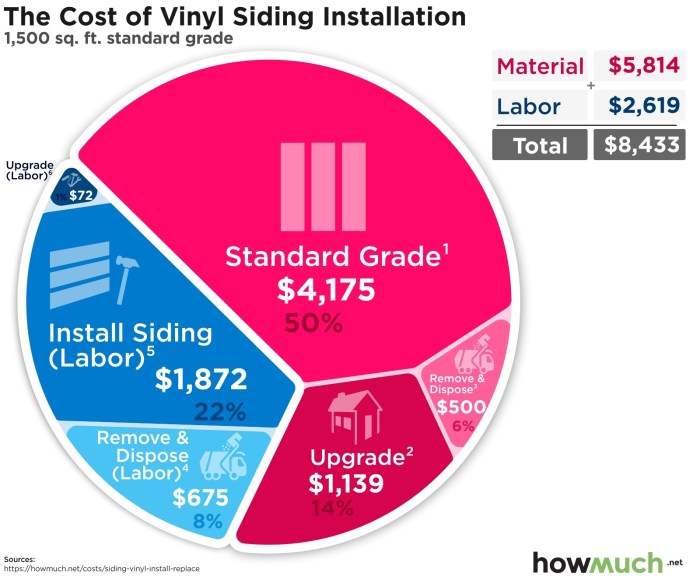
The cost of vinyl siding installation is typically calculated per square foot. This means that the total cost is determined by multiplying the price per square foot of the siding material by the total square footage of the area to be covered.
Additional costs such as labor, removal of existing siding, and any necessary preparation work are also factored into the final price.
Factors Influencing Cost Variation
Several factors can influence the cost variation of vinyl siding installation. These include the quality of the siding material, the size and complexity of the project, the location of the property, the contractor's experience and labor costs, as well as any additional customization or trim work required.
Average Costs in Different Regions
In the Midwest
The average cost of vinyl siding installation ranges from $3 to $7 per square foot.
In the Northeast
Prices tend to be higher, with installation costs ranging from $4 to $8 per square foot.
In the South
Vinyl siding installation costs typically fall between $2 to $6 per square foot.
In the West
Prices can vary, but the average cost is around $3 to $7 per square foot.
Types of Vinyl Siding
When it comes to vinyl siding, there are several types available for installation, each with its own unique characteristics and price points.
Traditional Vinyl Siding
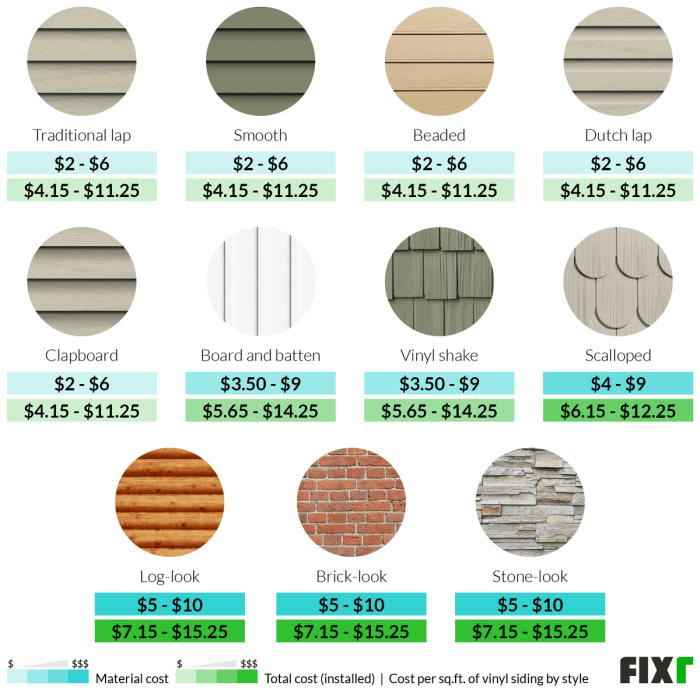
Traditional vinyl siding is the most common type and is known for its affordability. It typically costs around $2 to $7 per square foot for materials, making it a popular choice for homeowners on a budget. This type of siding is relatively easy to maintain, requiring occasional cleaning with soap and water to keep it looking fresh.
Insulated Vinyl Siding
Insulated vinyl siding provides added energy efficiency to a home by reducing thermal bridging. The cost of insulated vinyl siding is higher than traditional vinyl, ranging from $4 to $12 per square foot. However, the insulation can lead to lower energy bills over time, making it a cost-effective option in the long run.
Vinyl Shake Siding
Vinyl shake siding mimics the look of cedar shakes but with the low maintenance and durability of vinyl. The cost of vinyl shake siding is typically higher, ranging from $3 to $10 per square foot. While it may require a bit more upkeep to maintain its aesthetic appeal, many homeowners appreciate the rustic charm it adds to their homes.
Vertical Vinyl Siding
Vertical vinyl siding is a modern twist on traditional horizontal siding, giving homes a unique and contemporary look. The cost of vertical vinyl siding falls in the range of $3 to $8 per square foot. This type of siding is durable and low maintenance, making it a popular choice for those looking for a sleek and stylish exterior.
Board and Batten Vinyl Siding
Board and batten vinyl siding features alternating wide boards and narrow strips, creating a visually appealing design. The cost of board and batten vinyl siding can vary, ranging from $4 to $10 per square foot. This type of siding offers a timeless look that can enhance the curb appeal of a home.
Installation Process of Vinyl Siding
Installing vinyl siding involves a step-by-step process that requires specific tools and materials for successful completion. Whether you opt for professional installation or decide to tackle the project yourself, understanding the installation process is crucial for a seamless outcome.
Step-by-Step Process of Installing Vinyl Siding
- Prepare the Surface: Ensure the surface is clean, smooth, and free of any debris before installation.
- Measure and Cut: Measure the dimensions of the walls and cut the vinyl siding panels accordingly.
- Install Starter Strips: Begin by installing starter strips at the bottom of the wall to secure the first row of siding.
- Attach Panels: Attach the vinyl siding panels, starting from the bottom and working your way up, ensuring proper overlap and alignment.
- Finish the Edges: Complete the installation by adding J-channels around windows, doors, and corners for a polished look.
Tools and Materials Required for Vinyl Siding Installation
- Vinyl Siding Panels
- Starter Strips
- J-Channels
- Nails or Screws
- Utility Knife
- Tape Measure
- Caulk Gun
Professional Installation versus DIY Installation
- Professional Installation: Hiring professionals ensures proper installation, expertise, and a warranty for the work done.
- DIY Installation: DIY projects can save money but require time, effort, and attention to detail to achieve professional results.
Tips for Ensuring a Successful Vinyl Siding Installation Project
- Follow Manufacturer Guidelines: Adhere to the manufacturer's instructions for installation to avoid any issues.
- Take Time to Prepare: Properly prepare the surface and gather all necessary tools and materials before starting the installation.
- Double-Check Measurements: Accurate measurements are key to a seamless installation, so double-check before cutting or attaching panels.
- Consider Weather Conditions: Choose a day with mild weather for installation to ensure optimal conditions for working with vinyl siding.
Benefits of Vinyl Siding
Vinyl siding offers a range of benefits that make it a popular choice for residential properties. From energy efficiency to enhancing curb appeal, vinyl siding is a versatile option for homeowners looking to improve the look and functionality of their homes.
Energy Efficiency and Insulation
Vinyl siding can help improve the energy efficiency of a home by providing an additional layer of insulation. This can help regulate indoor temperatures, reducing the need for excessive heating or cooling, ultimately lowering energy costs for homeowners.
Enhanced Curb Appeal and Resale Value
One of the main advantages of vinyl siding is its ability to enhance the curb appeal of a home. With a variety of colors and styles available, homeowners can choose a look that complements their property and adds to its overall aesthetic.
Additionally, vinyl siding is known to increase the resale value of a home, making it a wise investment for those looking to sell in the future.
Environmental Benefits
In addition to its aesthetic and functional advantages, vinyl siding also offers environmental benefits. Vinyl siding is a sustainable option that is recyclable, making it a eco-friendly choice for homeowners concerned about their environmental impact. By choosing vinyl siding, homeowners can contribute to a more sustainable future while still enjoying the benefits of a durable and attractive exterior for their home.
Final Review
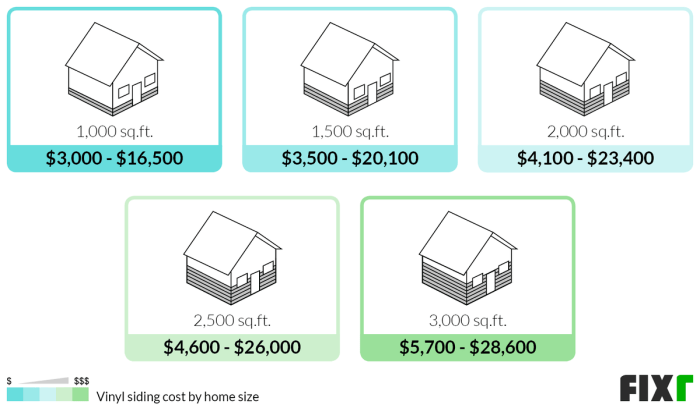
In conclusion, the cost of vinyl siding installed per square foot is a crucial consideration for homeowners looking to enhance their property's aesthetic appeal and value. By understanding the various factors impacting pricing, individuals can make informed decisions when embarking on a siding installation project.
FAQ Explained
What factors influence the cost of vinyl siding installation?
The cost of vinyl siding installation can be influenced by factors such as material quality, labor expenses, and the size of the project.
Is DIY installation of vinyl siding recommended?
While some homeowners opt for DIY installation to save costs, professional installation is often recommended to ensure proper fitting and long-term durability.
How does vinyl siding enhance a home's energy efficiency?
Vinyl siding can improve energy efficiency by providing insulation that helps regulate indoor temperatures, reducing the need for excessive heating or cooling.
What are the average costs of vinyl siding installation per square foot in different regions?
The average costs can vary widely depending on the region, with factors such as labor costs and material availability playing a significant role in pricing.