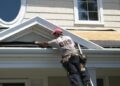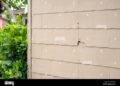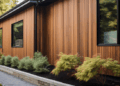

Embark on a journey through the world of exterior shiplap wood siding, a timeless and versatile choice for adding charm to any building. From its classic characteristics to modern applications, this guide covers everything you need to know.
Introduction to Exterior Shiplap Wood Siding
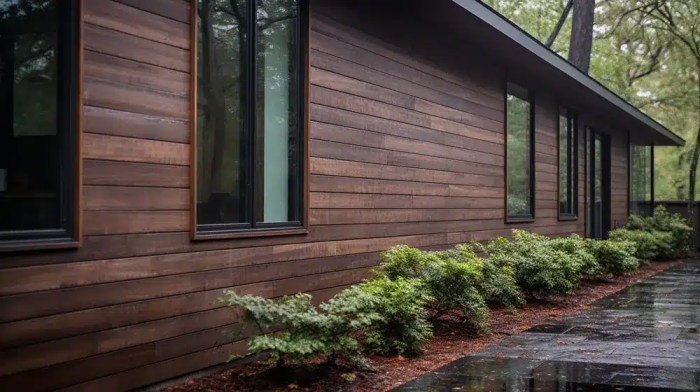
Exterior shiplap wood siding is a type of cladding material commonly used in construction to cover the exterior walls of a building. It is characterized by overlapping horizontal boards that create a distinctive look and provide a weather-resistant barrier.
Shiplap wood siding is known for its durability, versatility, and timeless appeal. The boards are typically installed with a slight gap between them, allowing for natural expansion and contraction with changes in temperature and humidity. This design helps to prevent moisture buildup and protects the underlying structure from water damage.
Popularity and Usage of Exterior Shiplap Wood Siding
Exterior shiplap wood siding has gained popularity in recent years due to its aesthetic appeal and practical benefits. It is commonly used in both residential and commercial construction projects, providing a traditional yet modern look to the exterior of buildings.
- Shiplap wood siding is often chosen for its natural beauty and warmth, adding a touch of rustic charm to any structure.
- It is also favored for its ease of installation and maintenance, making it a cost-effective choice for many homeowners and builders.
- The versatility of shiplap wood siding allows for various design options, from classic to contemporary, making it a versatile choice for a wide range of architectural styles.
- Additionally, the durability and weather-resistant properties of shiplap wood siding make it a practical and long-lasting solution for protecting buildings from the elements.
Types of Wood Used in Exterior Shiplap Wood Siding
When it comes to choosing the right wood for exterior shiplap wood siding, there are several common options available, each with its own set of characteristics in terms of durability and aesthetics. Let's take a closer look at some of the most popular types of wood used for shiplap siding:
Cedar
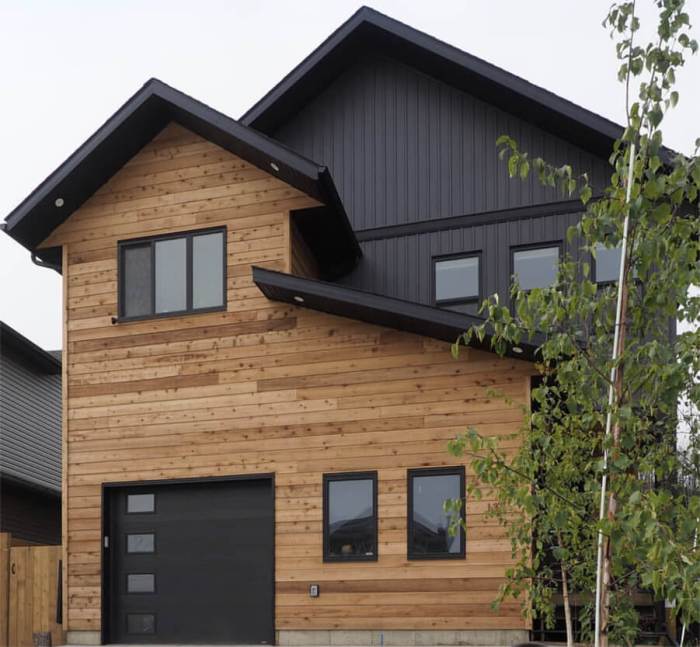
Cedar is a popular choice for exterior shiplap wood siding due to its natural resistance to decay and insects. It is also known for its beautiful grain patterns and rich color variations. Cedar siding can be left untreated to weather naturally or stained to maintain its original color.
Pine
Pine is another commonly used wood for shiplap siding, known for its affordability and ease of installation. While pine is not as naturally resistant to decay as cedar, it can be treated with preservatives to increase its longevity. Pine siding can be painted or stained to achieve the desired look.
Spruce
Spruce is a lightweight and cost-effective option for exterior shiplap wood siding. It is easy to work with and can be painted or stained to match the overall design of the property. However, spruce is not as durable as cedar or pine and may require more frequent maintenance and upkeep.
Factors to Consider
When choosing the wood type for exterior shiplap wood siding, it is essential to consider factors such as the climate in your area, the level of maintenance you are willing to commit to, and the overall aesthetic you wish to achieve.
Additionally, budget considerations and the availability of the wood type in your region should also be taken into account.
Installation Process of Exterior Shiplap Wood Siding
Installing shiplap wood siding on the exterior of a building requires careful attention to detail and the right tools and materials for a successful outcome.
Surface Preparation
Before starting the installation process, it is crucial to prepare the surface properly to ensure the siding adheres correctly and lasts longer:
- Clean the surface thoroughly to remove any dirt, debris, or old paint that may interfere with the installation.
- Inspect for any damage or rot on the existing structure and repair as needed to provide a solid foundation for the siding.
- Apply a weather-resistant barrier or house wrap to protect the building from moisture and ensure proper insulation.
Tools and Materials Required
Having the right tools and materials on hand is essential for a smooth installation process:
| Tools | Materials |
|---|---|
| - Circular saw | - Shiplap wood siding |
| - Hammer or nail gun | - Galvanized nails or screws |
| - Level | - Exterior-grade paint or stain |
| - Tape measure | - Caulk and caulk gun |
| - Safety glasses and gloves | - Primer (if needed) |
Maintenance and Care of Exterior Shiplap Wood Siding
Proper maintenance of exterior shiplap wood siding is crucial to ensure its longevity and keep it looking great. By following some simple care tips, you can protect your siding from common issues and the elements.
Regular Inspections
Regularly inspect your shiplap wood siding for any signs of damage such as cracks, warping, or rot. Addressing these issues promptly can prevent further damage and prolong the life of your siding.
Sealing and Staining
To protect your exterior shiplap wood siding from moisture and UV rays, consider sealing or staining it. This can help prevent water damage, fading, and rot, extending the lifespan of your siding.
Cleaning
Regularly clean your shiplap wood siding to remove dirt, debris, mold, and mildew. Use a mild detergent and water solution with a soft brush or cloth to gently scrub the surface. Avoid using harsh chemicals or high-pressure washers, as they can damage the wood.
Protecting from the Elements
To protect your siding from the elements, consider installing a protective barrier behind the shiplap boards to prevent moisture infiltration. Additionally, ensure proper ventilation to allow for airflow and prevent moisture buildup.
Addressing Common Issues
Common issues with shiplap wood siding include moisture damage, insect infestations, and mold growth. If you notice any of these issues, address them promptly to prevent further damage and maintain the integrity of your siding.
Professional Maintenance
Consider hiring a professional to inspect and maintain your exterior shiplap wood siding periodically. They can identify any underlying issues and provide expert care to ensure your siding stays in top condition for years to come.
Ending Remarks
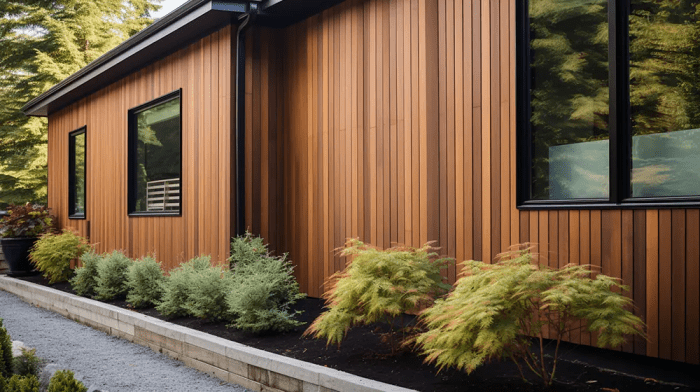
In conclusion, exterior shiplap wood siding stands as a durable and aesthetically pleasing option for enhancing the exterior of your property. With proper maintenance, this siding can elevate the look of your home for years to come.
FAQ Resource
What are the benefits of exterior shiplap wood siding?
Exterior shiplap wood siding offers a timeless look, excellent durability, and easy installation, making it a popular choice for homeowners.
How often should I repaint or refinish exterior shiplap wood siding?
The frequency of repainting or refinishing exterior shiplap wood siding depends on factors like climate and exposure to elements. Generally, a fresh coat every 5-7 years is recommended.
Can exterior shiplap wood siding be painted a different color?
Yes, exterior shiplap wood siding can be painted in any color of your choice to match your home's aesthetic or undergo a color change.